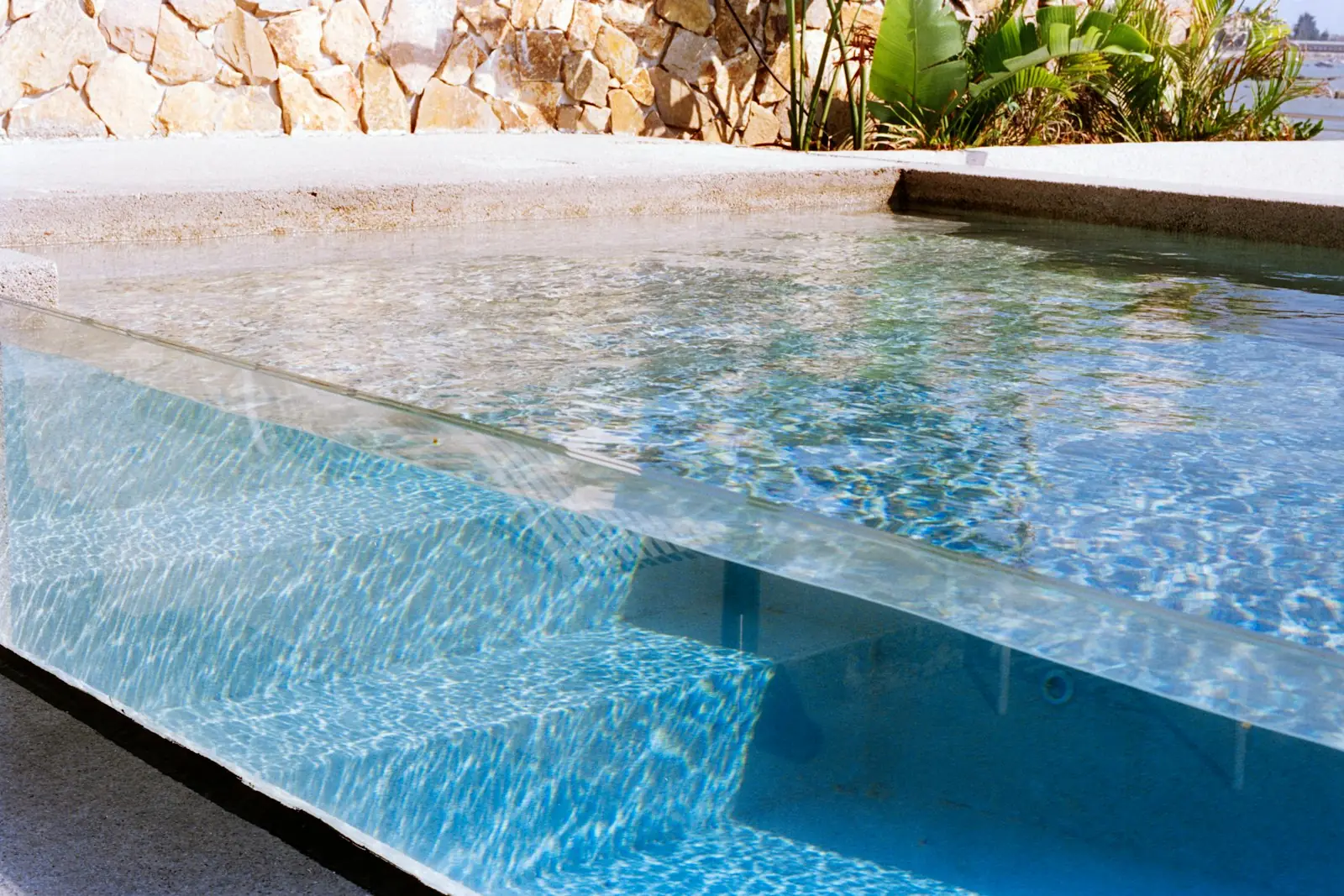
Pool Leak Detection in Dallas
Dallas–Fort Worth summers are hot, sunny and often windy, and pools can lose a lot of water to evaporation. The bucket test is the simplest way to tell normal evaporation from a leak.
The bucket test
- Put a bucket on the first or second pool step and fill it with pool water to the same level as the pool.
- Mark the water level inside the bucket and on the pool wall or skimmer.
- Leave the pump on its normal schedule for 24 hours.
- If the pool drops noticeably more than the bucket, you likely have a leak. Repeat with the pump off to help tell plumbing leaks from shell leaks.
What a leak detection pro does
They pressure-test the plumbing lines, dye-test fittings, lights, skimmers and cracks, and may use listening equipment to find leaks under the deck. A good report tells you where the leak is and what the repair involves.
Local factors
Much of Dallas–Fort Worth sits on expansive clay, especially the Blackland Prairie soils east of Interstate 35. The clay swells when wet and shrinks in drought, which can crack decks and stress pool plumbing and shells. Leaks often show up after long dry spells or heavy rain.
Free referral to an independent Dallas–Fort Worth business. Requests accepted 24/7.
Questions people ask
How much water loss is normal?
Is my pool leaking if the water drops only when the pump runs?
Can I keep using the pool?
Licensing note
We are a referral service, not a pool contractor. Texas has no statewide pool contractor license, but electrical work on pool equipment requires a TDLR-licensed electrician and gas piping for heaters a TSBPE-licensed plumber, and your city may require permits.
Related help
Pool pump repair
Humming, leaking, overheating or not starting.
Pool heater repair
Heat pumps and gas heaters that won't fire or heat.
Pool filter service
Sand, cartridge and DE filters, high pressure.
Sources and local resources
Sources checked November 19, 2026. Local rules change; confirm details with the agency.